
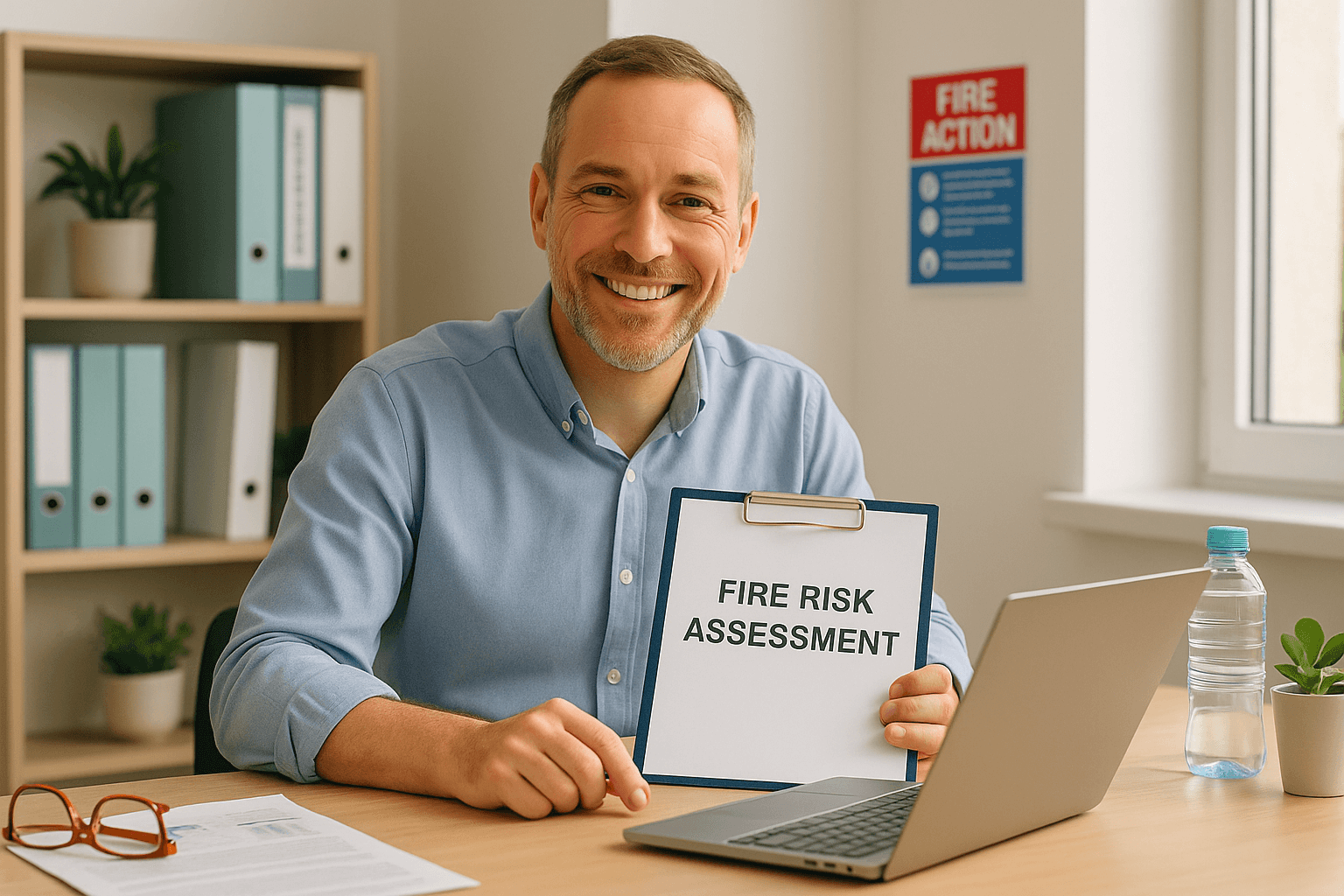
Fire risk assessors play an essential role in keeping people and businesses safe across Wirral. Their work ensures buildings are compliant with the law, escape routes are protected, and fire hazards are identified before they cause harm. It is a profession that carries immense responsibility—yet often little recognition.
With responsibility comes pressure, and like many roles in safety and compliance, fire risk assessors can experience high levels of stress. The work often involves tight deadlines, long hours, complex regulations, and the knowledge that mistakes could have serious consequences. That’s why looking after personal wellbeing is just as important as carrying out assessments correctly.
Here are some practical wellbeing tips designed specifically for those working in Wirral fire risk assessments.
1. Acknowledge the Demands of the Job
The first step to protecting wellbeing is recognising the pressure the role carries. Fire risk assessors don’t just complete paperwork—they make judgements that directly affect lives. It is normal to feel a sense of weight or stress about this responsibility. By accepting that the role is demanding, rather than dismissing it, assessors can begin to put healthy coping strategies in place.
2. Manage Workload and Boundaries
Many assessors travel between multiple sites in Wirral, inspect complex premises, and then spend hours compiling detailed reports. The temptation is to keep working late into the evening to “get it all done.” But long hours lead to fatigue, which increases stress and reduces concentration.
Try setting firm working hours and sticking to them. Take proper breaks during site visits, and avoid the habit of answering client emails at all hours. By protecting your time, you give your mind space to recover.
3. Reduce the Impact of Lone Working
Much of a fire risk assessor’s time is spent working alone—whether inspecting a building, climbing stairwells, or writing reports in isolation. This can feel lonely. Making the effort to connect with colleagues or peers, even informally, can make a huge difference.
Consider joining local networking groups, such as business forums in Birkenhead, Wallasey, or West Kirby. Sharing experiences with others who understand the challenges of professional life helps reduce the sense of isolation.
4. Look After Physical Health
The role often involves inspecting stairwells, roof spaces, or basements. These environments can be physically demanding. Staying physically fit supports both job performance and mental resilience.
Simple steps like walking regularly, stretching before and after site visits, and carrying a reusable water bottle can make the working day healthier. A balanced diet and regular sleep routine also help with energy levels and focus.
 5. Use Stress-Management Techniques
No one can eliminate stress entirely, but it can be managed. Many assessors benefit from short relaxation techniques during the day. Before starting a meeting with a client, try a few minutes of mindful breathing. After completing a difficult report, take a short walk outside to clear your head.
Even small practices—listening to calming music, journalling thoughts, or drinking a herbal tea—can reduce the build-up of tension. These habits may feel minor, but they make a big difference over time.
6. Keep Learning—But Avoid Overload
Fire safety regulations evolve regularly. Assessors must stay up to date, which means attending training, reading legislation, and keeping in touch with industry updates. This learning is vital, but it should not become overwhelming.
Set aside time each month for structured learning rather than trying to absorb everything at once. Accept that knowledge is built over time, and perfection is unrealistic. Confidence grows with consistent effort, not with trying to master everything immediately.
7. Recognise Early Signs of Burnout
Burnout doesn’t happen overnight—it builds gradually. Common signs include difficulty sleeping, irritability, loss of motivation, or a constant sense of fatigue. If you notice these feelings creeping in, act early.
Talk to a trusted friend, take a few days off if possible, or seek professional support. Inclusion Matters Wirral offers confidential help for anyone struggling with mental wellbeing. It’s always better to address stress early than to let it escalate.
8. Balance Responsibility with Realism
It’s easy for fire risk assessors to feel that every detail rests on their shoulders. But no one can anticipate every possibility. The role of an assessor is to identify hazards, give clear advice, and provide a documented plan. Beyond that, responsibility also lies with building owners, employers, and landlords.
Keeping perspective helps reduce feelings of being solely accountable. You play a critical role—but you are not alone in ensuring safety.
9. Stay Connected to Purpose
When the workload feels heavy, it can help to reconnect with why the work matters. Every risk identified, every escape route checked, every assessment written could prevent tragedy. Fire risk assessors save lives—sometimes without ever knowing it.
Remembering the positive impact of your work can restore motivation and pride, which are powerful protectors of mental health.
10. Seek Support Without Hesitation
There is no shame in admitting you’re struggling. Whether stress is building from workload, loneliness, or the emotional weight of responsibility, asking for help is a sign of strength, not weakness.
Support can come from colleagues, friends, family, or professional services. Local resources such as Inclusion Matters Wirral provide confidential guidance and counselling. Making use of these services can provide new coping strategies and reassurance.
Conclusion
Fire risk assessors in Wirral carry out vital work that keeps people safe and businesses compliant. But the demands of the job can be heavy. By recognising pressure, protecting physical health, using stress-management strategies, and seeking support when needed, assessors can maintain their own wellbeing while continuing to protect others.
Your role matters—not just to businesses and regulators, but to the wider community. And so does your mental health. Looking after yourself ensures you can keep looking after the safety of Wirral.